
Mythos of Light of Luumyr
Light of Luumyr
Think of Light of Luumyr (pronounced "Light of Loomir") as a franchise , just like Lord of the Rings and Star Wars. And, just like those franchises, there are many characters, places, and stories within this universe, not all of which are interconnected.
Many of the stories will be called "Light of Luumyr (main title) - Name (subtitle)"... much like "Star Wars - The Empire Strikes Back".
Example: "Light of Luumyr - Children of Chaos"
Zanyra
All the stories of Light of Luumyr take place in one of the realms (realm = dimension) within the same universe known as Zanyra.
Trivia: Zanyra is also one of the many names attributed to the ancient Goddess of Everything. Other names include Unisseia, Versunia, and Hevera. However, Zanyra is mostly used to refer to the universe itself, rather than the Deity. The Goddess is usually refered to as Unisseia.
Note: Zanyra is not to be confused with Zandira, the Goddess of Death.
Universe, Not Multivers
We don't call Zanyra "the multiverse" even though it has infinite realms (dimensions). We call it "the universe" because the word "universe" means everything in existance, which includes all the infinite realms.
Planes of Existance
Zanyra is divided into at least three planes of existance, which are more like "spheres", one within the other. The close to the supposed center of the universe, the more light you will find.
See bellow, a crude representation of the structure of the Light of Luumyr universe. Note that the Void is often considered NOT to be a "plane of existance", due to the fact that nothing can exist within it.

The Yainnessis
The Yainnessis is a collection of books, or "constelations", written in the stars by Zaviera, the Goddess of History herself.
Mythology and history are often discussed in the same circles because in many ways one leads to the other. While history is well documented throughout the three Ages of Mortals, little, if anything, is truly known regarding the times before them. The ancient times, known as the Ages of the Gods, are all but a mystery due to the fact that the ancient world was completely destroyed in a brutal war fought between the Gods, known as the War of Eternity.
Thus, for events that took place in those lost times, scholars find themselves forced to look to the Yainnessis, a mythological interpretation of history. However, as is always the case with myths and legends, these ancient events can be interpreted in more than one way. Obviously, this led to many different theories regarding how the universe began, how events unfolded, and how things came to be as they are today. Additionally, there are whole sections of the books yet to be uncovered, translated and interpreted.
Book One
The Eternal Void
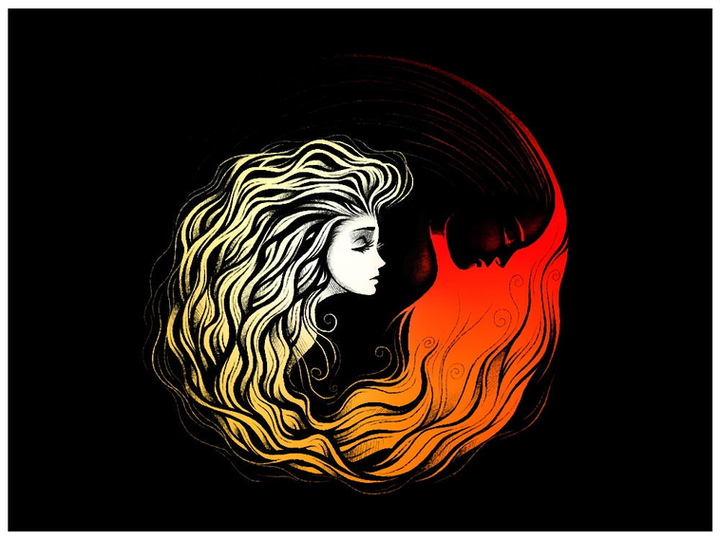
Image: Unisseia, the Goddess of the Universe, and the Dark Queen.
Artwork by Alex San Lyra
The first book is one of the most complete, thanks to "void research". Many of The Dark Queen's memories were found still lingering in the void, filling in most of the gaps found in Zaviera's accounts.
It is widely accepted in scholar circles that the Dark Queen was the first divinity to exist, though many consider her to be technically a Titan and not a proper Goddess.
Her origin remains a mystery.
Chapter One: Mistress of the Void
"In the beginning, there was only the Dark Queen and she reigned supreme in her endless realm of nothingness. She was calm and ever so patient. She had to be, for nothing ever happened in her eternal empire. Born from the void itself, loneliness suited her and she lived as such for many eternities. However, even the Dark Queen grew restless at times. Every few eons, she would stir up a storm just to watch the spectacle die away..."
- Quotations taken from The Scroll of Lore, by the acclaimed ancient astral-archaeologist Lexa-Nofir.
This passage depicts the Dark Queen creating light, even before the appearance of Unisseia, Goddess of the Universe. Lexa-Nofir has stated she in fact believes the Dark Queen to be the original creator of the universe. This is a highly unpopular idea however, most defending the notion that Unisseia was the progenitor of the universe.
Vulthyr is known by many names. Note that she has no true name, or gender for that matter. Most divinities are attributed name and gender by the mortals who depict or describe them. Here are some of the most notworthy names:
-
Vulthyr, Goddess of the Void (female, the most well-known throughout the Empyreum)
-
Amora, Mistress of the Void (female)
-
Voydenna, the Void Queen (female)
-
Muora, the Silent One (undetermined gender)
-
Vullix, God of Chaos (male, this is an odd one given the Void is always described as being empty, silent, and still)
-
Kulthur, Master of Insanity (undetermined gender, though generally assumed to be male)
-
Gorveer, Queen of Kings (female)
-
Kolmak, the Nowhere King (male, on of the most obscure names, found to be used by the ancient Steora people)
Some believe that using her proper names attracts her dark servants, and so, to easy such readers' minds, we shall hence forth refer to her simply as the "Dark Queen" or the "Void Queen".
"... In one of the her rare moments of boredom, she decided to create a companion with whom to share her thoughts. This was a thought with which she had tinkered for many an age..."
- Quotations taken from The Scroll of Lore, by the acclaimed ancient astral-archaeologist Lexa-Nofir.
Chapter Two: The Birth of Unisseia
"... The Void Queen took the restlessness from inside herself, shaped it into a conscious being and called it Unisseia. Her newly born little sister became mistress of all that wasn’t part of the peaceful void. They lived happily together for an eternity."
- Quotations taken from Holy History, by the acclaimed ancient astral-archaeologist Halek-Zander.
Halek-Zander himself admitted, cycles after his scripture was published, that there was no clear indication that the two Goddesses had actually live together in happiness, only that they somehow coexisted. "I simply prefer to beleive it to be true, given how Unisseia was depicted as having suffered later in her short life," he stated.
Unisseia is considered by many scholars to be the first true Goddess, in the case of the Dark Queen being classified as a Titan, a precursor to the notion of Gods.
"... The Void Queen tried to teach Unisseia the ways of the void, but the younger sister was far to restless, she wanted to dance, sing, and have fun all the time. She began to grow better, faster, stronger, and harder... to control. Wherever she went, she changed things with her dance and created new things with her song, disturbing the tranquility of the void, with all the fun she was having."
- Quotations taken from Holy History, by the acclaimed ancient astral-archaeologist Halek-Zander.
Chapter Three: Unisseia’s Restlessness
"Of course the Void Queen was having none of it. She picked up after her energetic sister, undoing all her creations. It was not long before Unisseia became frustrated enough to challenge her older sister. The Void Queen , however, was still far stronger than her young sibling. She defeated Unisseia with one blow, imprisoning her as punishment for her audacity.
"The younger sister was so distraught with her defeat and the hopelessness of her situation that she fell into a deep sadness. The Void Queen loved her sister deeply and was saddened herself watching her in such pain. But try as she may, the older sister could not relieve Unisseia of her desperation."
- Quotations taken from Holy History, by the acclaimed ancient astral-archaeologist Halek-Zander.
Chapter Four: Children of the Universe
"Eventually, the young Goddess perished from her affliction, her body breaking and melting into three new entities. Thus was the birth of Potemia, Goddess of Time, Kambron, God of Space, and Zulla, Goddess of Light.
"The three newborn Divinities, after learning of their mother's fate, banded together and challenged the Dark Queen. But, once again, she defeated her opponents, this time slaying them where they stood. They had grown strong, and in such a short time as well. She feared they would one day defeat her, had she allowed them to live.
"The deaths of the three Gods, spawned nine new Gods, three offspring each. From Potemia emerged Ghalkin, God of the Past, Thekin, God of the Present, and Ulkin, God of the Future. From Kambron emerged Geara, Goddess of Earth, Akwa, Goddess of Water, and Ahera, Goddess of Air. From Zulla emerged Nebulus, God of Stars, Shayak, God of Lightning, and Scalmor, God of Fire."
- Quotations taken from The Scroll of Lore, by the acclaimed ancient astral-archaeologist Lexa-Nofir.
See below, the Gods' Family tree at this point in time:
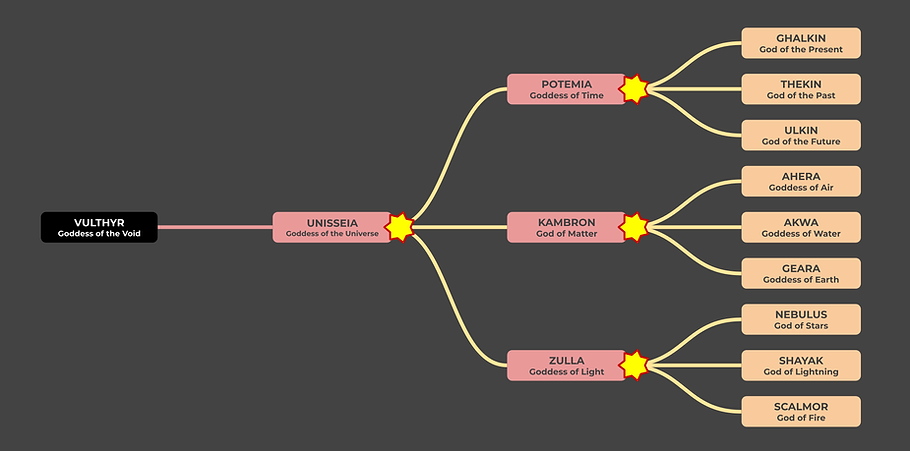
Image: The Gods' Family Tree at this point in the Yainnessis.
Note: The yellow and red explosions symbols represent the divinities that perished.
Artwork by Alex San Lyra
Chapter Five: The Void Queen's Defeat
With their combined strength, the Nine Gods finally avenged Unisseia's death, defeating the Void Queen. However, with her final breath, she cursed the victors.
Ulkin, the God of the Future, was made insane by the curse. When he spoke, his words were cryptic and he laughed ominously at the others. The future was hence forth a mystery to the Gods and they feared what was to come.
Geara, the Goddess of Earth, saw the land stretch out beyond her grasp. Akwa, The Goddess of Water, saw her domain sink beyond her feet. And Ahera, Goddess of Air, saw her skies flutter up away from her as well. The Gods could no longer be in all places at once and they feared geting lost from each other.
Finally, Nebulus, God of Stars, Shayak, God of Lightning, and Scalmor, God of Fire, saw their light flicker and falter. Darkness seeped into distant cornes of the world, behind mountains and underground. Once again the Gods were afraid, for light itself could no longer reach all places.
Thus was the power and reach of the Void Queen's curse.
Book Two
The Reign of the Nine Gods

Image: Magus, the God of Magic, creates Kali-Baleen, his Deuno servant.
Artwork by Alex San Lyra
Chapter One: The Crowning of Nebulus
After the death of the Void Queen, the nine Gods ruled for another eternity. They learn to live with the curse of the Void Queen and build a new empire.
Nebulus, God of Stars, was chosen leader of the Gods and crowned the first King of Zanyra.
Chapter Two: Children of the Nine Gods
This is one of the chapters lost to time. All that is known about what occured during this time, is what can be deduced from other chapters. For example, during this time, several new Gods appeared:
-
Zaviera, Goddess of History
-
Idjus, God of Fate (aka Fate)
-
Zikivi, Godess of Chance (aka Lady Luck)
-
Sullia, Goddess of Clouds
-
Kainna, Goddess of Minerals
-
Sishu, Goddess of Comets
-
Yanaissis, Goddess of Moons
-
Magus, God of Magic

Chapter Three: The Bastard Son of Ulkin
One day, in a surge of madness, Ulkin, the insane God of the Future, went on a small rampage. He stole some fire from Scalmor, some water from Gulsidon, some earth from Ghaika, and some air from Aerua. After a short assembly with King God Nebulus, the Gods all agreed to take pitty on Ulkin. They didn't persue the issue any further.
Image: The Gods' Family Tree at this point in the Yainnessis.
Artwork by Alex San Lyra
Hidden away in his secretive little corner of the divine city, Ulkin used the stolen items to brew a most mystical potion. From his cauldron, arose the most magnificent being, brimming with power and wisdom. He rose from his birthplace and named himself Magus, the God of Magic. Though he was truly an imporessive creation, Ulkin quickly lost interest in Magus, abandoning him to his own devices.
Note: "Magic" is likely a mistranslation. Some scholars beleive a better term is "Lore" or "Enginuity".
Chapter Four:
Work in progress…
Chapter Five:
Work in progress…
Book Three
The Crowning of Adalia, Goddess of Life
Chapter One: The Birth of Adalia
Work in progress…
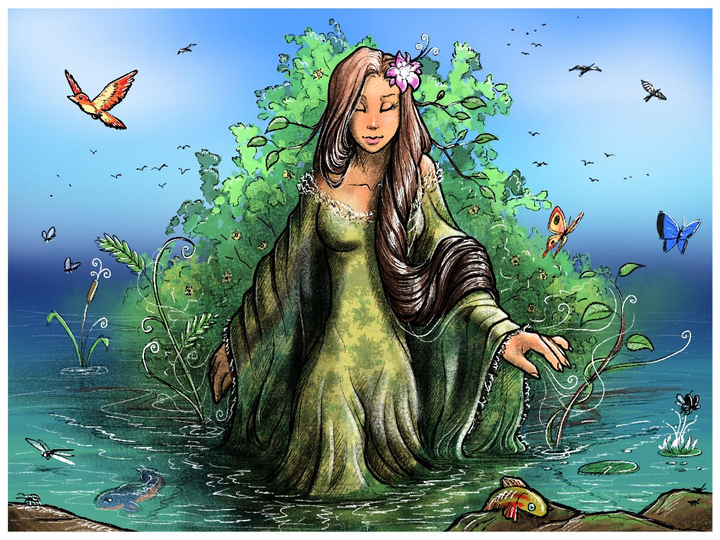
Image: Adalia, the Goddess of Life, creates life in the Lake of Light.
Artwork by Alex San Lyra
Chapter Two: The Lake of Light
Work in progress…
Chapter Three: The Temple of Life
Work in progress…
Chapter Four: Magus' Curious Gift
Work in progress…
Chapter Five: Rise of the Civin
Work in progress…
Book Four
Rise of Zandira, Goddess of Death
Chapter One: Land of the Civin
Work in progress…

Image: Zandira, the Goddess of Death, in her New Realm.
Artwork by Alex San Lyra
Chapter Two: The Birth of Zandira
Work in progress…
Chapter Three: Ulkin’s Dark Revelation
Work in progress…
Chapter Four: The White Scythe
Work in progress…
Chapter Five: The Temple of Death
Work in progress…
Book Five
The War of Eternity
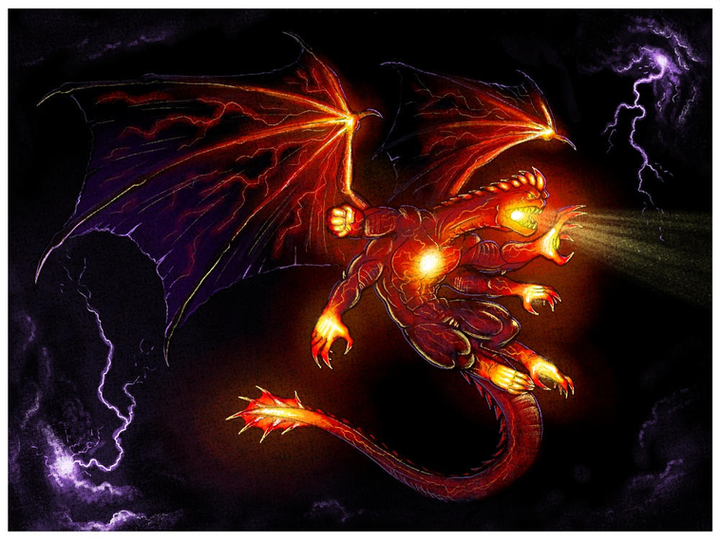
Image: Zarcon, the God of War, raging against the void.
Artwork by Alex San Lyra
Work in progress…
Book Six
The Raign of Armagon, God of Destruction
Work in progress…
Book Seven
Departure of the Gods
Work in progress…

Image: The Gods' Family Tree at this point in the Yainnessis.
Note: This is the final form of the Divine Family Tree. No more Gods or Goddesses were born after this moment.
Artwork by Alex San Lyra
Work in progress…
Book Eight
The Birth of Mortals
The First Age of Mortals: The Age of Isolation
Work in progress…
Book Nine
The Grand Restoration
The Second Age of Mortals: The Golden Age
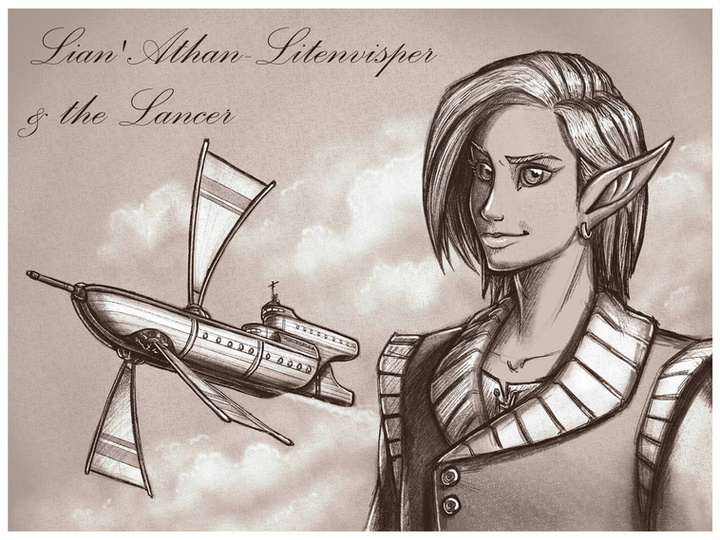
Image: Lian'Athan "Lian" Litenvisper, the famed explorer and hero that connected the realms, and legendary his skyship, the Lancer.
Artwork by Alex San Lyra
Work in progress…
Book Ten
The Unnamed Book
The Third Age of Mortals: The Dark Wars
As of yet, the tenth book remains unnamed, as it is currintly still being written.